
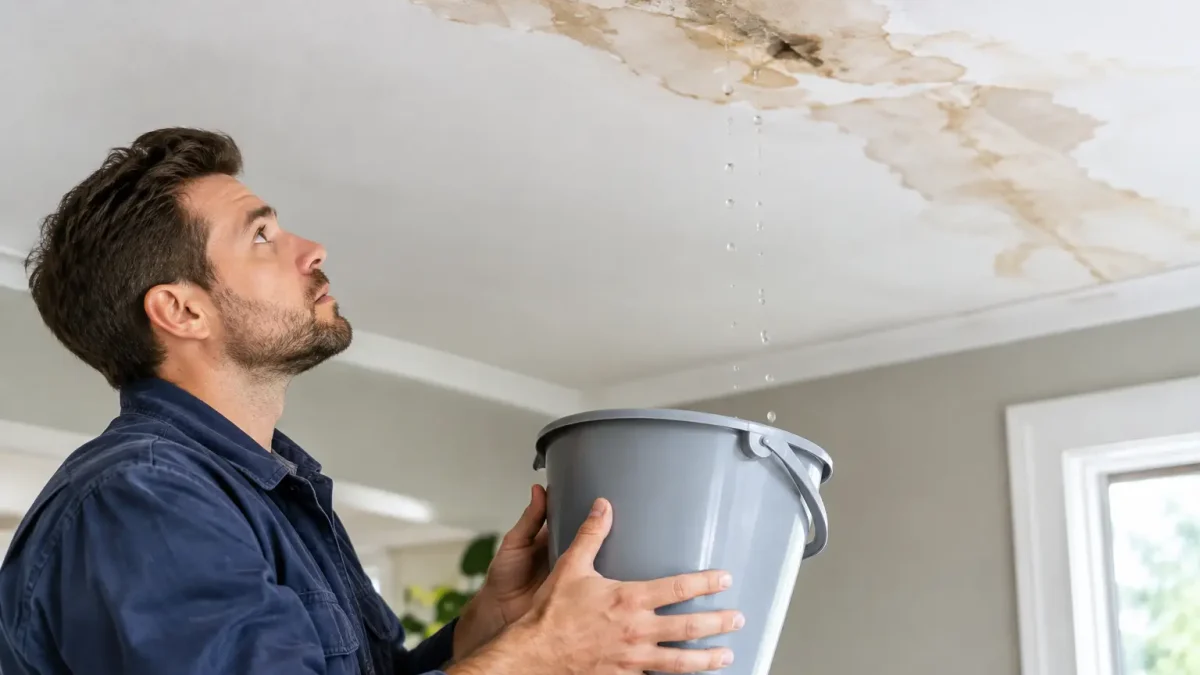
A water stain on a ceiling tile, a damp wall after a storm, or a drip near expensive equipment is rarely just a cosmetic issue. Roof repair is about finding the path water took through the building, correcting the source, and protecting everything below it – occupants, operations, inventory, finishes, and peace of mind.
For a homeowner, that may mean stopping a leak before insulation, framing, and drywall suffer further damage. For a facility manager, it may mean protecting a warehouse floor, keeping a school classroom open, or preventing disruption at a healthcare or data facility. The right response starts with urgency, but it also requires a diagnosis that addresses the roof system rather than simply covering the visible symptom.
When Roof Repair Should Not Wait
Some roofing concerns can be monitored during a planned inspection. Others call for prompt professional attention because water can move far from the point where it enters the roof. A ceiling stain may appear several feet away from the actual opening, especially on low-slope commercial roofs where water can travel beneath the membrane or through insulation.
Arrange a roof inspection quickly if you notice four or more of these conditions:
- Active dripping, wet ceiling materials, or recurring interior stains
- Missing, lifted, cracked, or hail-damaged shingles or metal panels
- Ponding water that remains on a low-slope roof long after rain ends
- Open seams, splits, punctures, or loose flashing around penetrations
- Granules collecting in gutters, damaged vents, or deteriorated pipe boots
- A sudden increase in leaks after high winds, hail, or heavy rainfall
A leak that stops when the weather clears is not necessarily resolved. The roof assembly may still hold moisture, and trapped water can degrade insulation, fasteners, decking, or interior finishes over time. Early roof repair is usually less disruptive and more cost-effective than waiting for a small opening to become a widespread moisture problem.
Protect the Property Before the Repair Crew Arrives
Safety comes first. Do not walk on a wet, steep, damaged, or unfamiliar roof. Homeowners should avoid climbing ladders during storms or attempting temporary patches near electrical lines. Commercial teams should keep people away from wet floors, protect sensitive equipment when it is safe to do so, and follow site-specific safety procedures.
Inside, move furniture, inventory, electronics, and other vulnerable items away from the affected area. Use containers to catch dripping water where appropriate, but do not puncture a sagging ceiling or disturb electrical fixtures without qualified help. Document visible damage with photos and note when the leak occurs, such as during wind-driven rain, after prolonged rainfall, or only when snow or debris blocks drainage.
That information gives the roofing professional a more complete starting point. It can also support insurance documentation after a covered storm event. Still, visible interior damage is only one piece of the story. A proper inspection should examine the roof surface, flashings, drainage components, penetrations, edge details, and conditions beneath the roofing material when needed.
A Good Diagnosis Looks Beyond the Obvious
Not every leak calls for the same roof repair. The material, roof design, age of the system, weather exposure, and prior repairs all matter. Applying sealant over a suspect area may offer short-term protection in limited situations, but it is not a substitute for identifying failed material, an open seam, a damaged flashing detail, or a drainage issue.
Low-Slope Commercial Roofs
Commercial roofs often use TPO, PVC, EPDM, modified bitumen, built-up roofing, metal, or liquid-applied systems. Their failures can be subtle. A puncture from foot traffic, an opening at a curb, a seam issue, a cracked coating, or a compromised penetration may admit water without creating an obvious hole from the ground.
Drainage deserves close attention. Ponding water does not always mean the roof is leaking, but persistent standing water can accelerate wear and expose weak points. Clogged drains, blocked scuppers, undersized drainage, or settlement around rooftop equipment can all contribute to repeat problems. In these cases, a lasting repair may involve both restoring the roof membrane and correcting the conditions that allow water to collect.
Residential Steep-Slope Roofs
On shingle, metal, tile, or cedar shake roofs, leaks frequently develop at transitions rather than in the main field of the roof. Valleys, chimneys, skylights, sidewalls, vents, pipe boots, and roof-to-wall flashing are common trouble spots. Wind can lift shingles enough to break their seal, while hail can bruise or fracture materials that initially appear intact from the ground.
A responsible inspection separates normal aging from storm-related damage and identifies whether a focused repair is realistic. Replacing a few damaged shingles can make sense when the surrounding roof remains in good condition. If materials are brittle, repairs are widespread, or the roof is near the end of its serviceable life, repeated spot repairs may only postpone a larger decision.
Repair, Restoration, or Replacement: The Right Choice Depends
Roof repair is often the best answer when damage is isolated and the existing system remains fundamentally sound. A targeted repair can restore watertight performance, preserve the useful life of the roof, and avoid the cost and disruption of premature replacement.
However, recurring leaks in different areas, extensive storm damage, saturated insulation, failing seams across a large section, or widespread surface deterioration can point to a broader need. A commercial restoration or liquid-applied coating system may be appropriate for certain roof assemblies when the substrate is stable and the roof can be properly prepared. Coatings are not a universal fix, though. They require compatible materials, sound details, dry conditions, and careful surface preparation to perform as intended.
Replacement may be the more responsible investment when the roof system has reached the end of its useful life or underlying components are compromised. The goal is not to recommend the largest project. It is to give property owners clear findings, practical options, and an honest view of each option’s expected value, risk, and timing.
What Quality Roof Repair Includes
A dependable repair begins with a thorough assessment and a clear explanation of what was found. Property owners should understand the probable source of the leak, the proposed scope of work, and whether additional investigation is needed to rule out concealed moisture.
The repair itself should match the roofing system. On a single-ply commercial roof, that can mean cleaning and preparing the membrane, installing compatible patches, repairing seams, and restoring flashings at penetrations. On a shingle roof, it may include replacing damaged shingles, correcting underlayment issues, and rebuilding flashing details rather than relying on exposed sealant alone.
Workmanship also includes protecting the property during the job. Commercial repair crews should coordinate around building access, tenant needs, equipment, and operating schedules whenever possible. Residential crews should take care around landscaping, siding, gutters, and outdoor spaces. Once repairs are complete, the work area should be clean, and the owner should know what was repaired and what conditions to monitor next.
For storm-related claims, documentation matters. Photos, inspection findings, measurements, and a clear repair or replacement scope can help homeowners and commercial property stakeholders communicate with insurers. Insurance decisions rest with the carrier and policy terms, but a knowledgeable roofing contractor can help make the roofing side of the process clearer.
Maintenance Turns Emergency Calls Into Planned Work
No roof is maintenance-free. Seasonal inspections and post-storm checks provide a chance to address small concerns before they threaten the building. For commercial properties, a preventative maintenance plan can track repairs, inspect drains and penetrations, document roof conditions, and help forecast future capital needs. This is especially valuable for portfolios, facilities with sensitive operations, and buildings where downtime carries a high cost.
Homeowners benefit from the same proactive approach. Keep gutters and downspouts clear, watch for loose materials after storms, trim branches that rub against the roof, and have concerns evaluated before the next severe weather event. Avoid pressure washing or aggressive scraping that can damage roofing materials or dislodge protective granules.
Platinum Roofing LLC approaches roofing as an ongoing responsibility to the people and property beneath it. Whether the need is an emergency leak response, a storm-damage inspection, or a planned maintenance visit, timely action gives you more choices and a better chance to protect what matters most.


 Capstone Marketing