
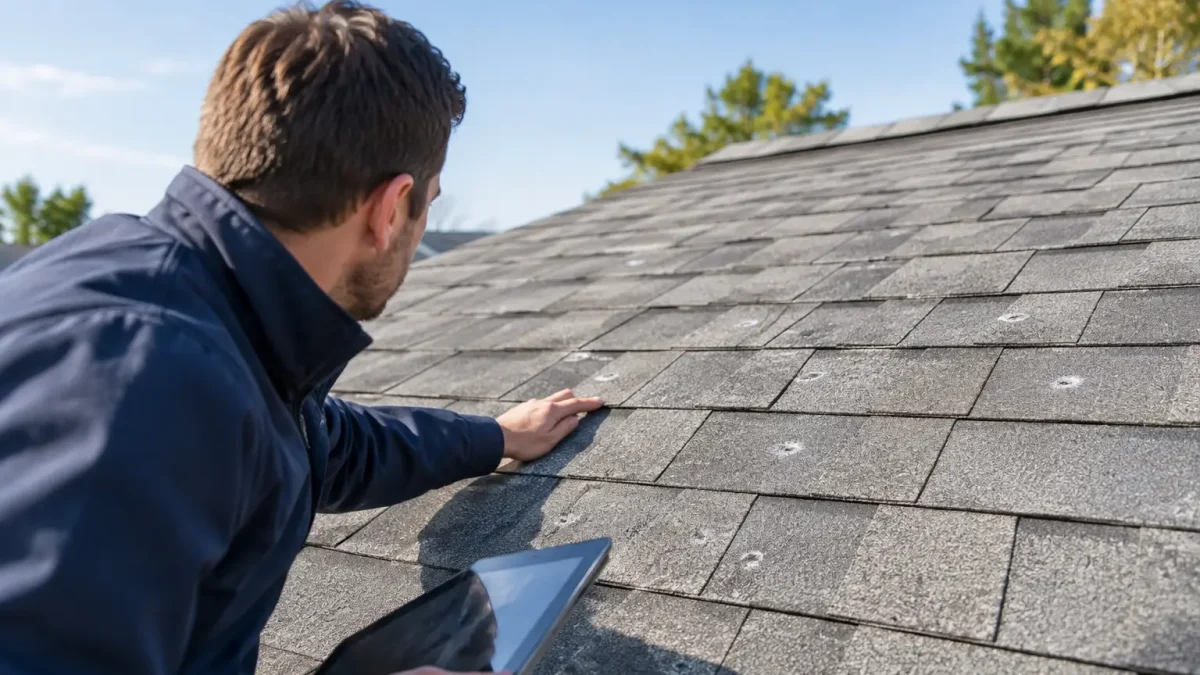
Hail can leave a roof looking nearly unchanged from the ground while causing damage that becomes a leak months later. A hail damage roof insurance claim is easier to manage when you act early, document carefully, and bring in a qualified roofing professional before small points of impact become a larger property problem.
For homeowners, the concern is protecting the family and avoiding an unexpected replacement expense. For commercial property owners and facility teams, the stakes can include inventory, tenant comfort, safety, equipment, and business continuity. The claim process is similar in many ways, but the scope and documentation needs may be very different.
Start With Safety, Then Protect the Property
After a hailstorm, resist the urge to climb onto the roof. Wet surfaces, loose granules, hidden punctures, and damaged flashing can make a post-storm roof unsafe. This is especially true on low-slope commercial roofs, where impact damage may be hard to see and rooftop equipment creates additional hazards.
Start from the ground. Photograph hailstones if they are still present, along with visible dents on gutters, downspouts, metal vents, window screens, siding, vehicles, or HVAC components. These photos help establish that the storm produced hail in your immediate area and affected other exterior surfaces.
If water is entering the building, take reasonable steps to limit further damage. Move contents away from the affected area, place containers under active drips, and document the interior condition before cleanup when it is safe to do so. Emergency temporary repairs, such as professional tarping or sealing, may be necessary to protect the structure. Keep all invoices, photos, and records of those actions.
Do not make permanent repairs before the insurer has had an opportunity to inspect unless the repair is necessary to prevent additional damage. The practical line is simple: mitigate the loss, but preserve evidence of what happened.
Schedule a Professional Roof Inspection
A roof inspection is not just a search for obvious holes. Hail affects materials differently, and the damage may be functional rather than immediately visible. Asphalt shingles can lose protective granules or develop bruising that shortens their service life. Metal panels can dent, displace fasteners, or compromise seams and flashing details. Tile, slate, cedar, and impact-resistant products each require material-specific evaluation.
On commercial properties, a trained inspector may look for fractured membrane surfaces, punctures, displaced ballast, cracked coatings, damaged edge metal, compromised seams, and impact marks around drains, curbs, skylights, and rooftop penetrations. TPO, PVC, EPDM, modified bitumen, built-up roofing, and liquid-applied systems do not respond to hail in the same way. A dent in a metal component may be cosmetic in one situation and evidence of a broader impact event in another.
Ask for findings that are clear enough to support your next decision. A useful inspection record identifies the roof areas reviewed, the materials involved, observed storm-related conditions, active leak locations if any, recommended temporary protections, and whether repair or replacement should be considered. For a large facility or multifamily property, the report should also help leadership prioritize the most exposed areas and plan around operations.
A reputable contractor should not promise claim approval. The insurer makes the coverage decision. What an experienced roofing team can do is provide accurate observations, explain the condition of the roof in plain language, and help you understand the scope of work needed to restore protection.
Document the Damage Before Filing Your Claim
Good documentation gives the adjuster a complete picture of the loss. It also helps prevent important details from being overlooked when multiple properties in the area have been affected by the same storm.
Gather your storm-date information, policy number, prior roof records, maintenance reports, warranties, invoices for earlier repairs, and photographs from before the storm if available. Include interior photos of water staining, damaged ceiling materials, wet insulation, or affected contents. For commercial buildings, note any operational effects, such as closed areas, tenant notices, equipment relocation, or temporary safety measures.
Your roofing contractor’s inspection report can support the claim, but it should not replace your own records. Keep a simple timeline with the storm date, the date damage was discovered, every call or email with the insurer, inspections completed, and emergency work performed. Save names, claim numbers, estimates, and copies of correspondence in one place.
This record matters because hail claims can involve several conversations over weeks or months. A well-organized file helps homeowners stay confident in the process and helps facility managers provide clean documentation to ownership, risk teams, tenants, or other stakeholders.
File the Hail Damage Roof Insurance Claim Promptly
Most policies require policyholders to report damage within a specified period. That deadline varies by policy and state, so review your policy language and notify your carrier as soon as practical after confirming there may be damage. Waiting can create avoidable questions about whether later water intrusion came from the hail event or another cause.
When you open the claim, describe the date of loss and the conditions you observed without guessing at technical causes. Explain any emergency measures already taken and provide the documentation requested. Request the claim number, the adjuster’s contact information, and a clear understanding of what happens next.
Before the adjuster visit, provide safe access to the property and have your inspection materials ready. If possible, ask your roofing contractor to be present. A contractor can point out roof areas, material conditions, and repair concerns identified during the inspection. This is not about creating conflict. It is about making sure the adjuster has the information needed to evaluate the full scope.
For complex commercial roofs, the meeting may require additional coordination. Roof access protocols, fall-protection requirements, tenant operations, secure areas, and manufacturer warranty considerations can all affect the inspection. Plan the visit carefully so the roof can be evaluated without disrupting essential work.
Read the Estimate Beyond the Bottom Line
An insurance estimate is more than a payment figure. Review the listed roof area, material type, labor items, flashing, vents, gutters, accessories, tear-off or disposal, and interior repairs. For commercial systems, review details such as insulation, perimeter edge metal, drain work, membrane tie-ins, rooftop curb flashing, and code-related requirements where applicable.
Differences between an insurer estimate and a contractor estimate do not automatically mean one is wrong. They may reflect measurements, missing line items, repairability questions, local code requirements, or the discovery of concealed conditions after work begins. If there is a legitimate difference, your contractor can provide supporting photos, measurements, and a written explanation for the carrier’s review.
Also understand your deductible. A deductible is your responsibility under the policy, not a figure that should be waived, hidden, or offset through improper pricing. Be cautious when a contractor makes promises that sound too easy. Trust is built through clear scope, honest pricing, quality workmanship, and documentation that can stand up to review.
Choose Repairs or Replacement Based on Roof Condition
Not every hail event requires a full roof replacement. Localized damage on an otherwise healthy roof may be repairable. In other cases, widespread impacts, broken materials, reduced service life, recurring leaks, or inability to match existing materials can make replacement the wiser long-term choice.
For a homeowner, the decision should account for the roof’s age, the extent of damage, ventilation, flashing condition, and the opportunity to select a more impact-resistant material. For a commercial owner, it should also account for remaining warranty coverage, building use, drainage performance, insulation condition, rooftop traffic, future maintenance costs, and the risk of disruption from recurring repairs.
The lowest immediate cost is not always the least expensive property decision. A properly designed repair or replacement should restore the roof assembly, address vulnerable details, and protect the people and operations beneath it.
Keep Communicating Until the Work Is Complete
Stay responsive to requests from the insurer, but do not let the process delay necessary protection of the building. Continue monitoring for new leaks, staining, damp insulation, or damaged ceilings after the storm. Hail-related problems can reveal themselves after later rain, temperature changes, or normal roof movement.
Once work is approved, confirm the written scope, materials, schedule, cleanup expectations, warranty information, and any required access arrangements. Commercial clients should also address site safety, tenant communication, delivery logistics, equipment protection, and work-hour restrictions before crews arrive.
A storm claim can feel like one more burden at the exact moment your property needs attention. The right response is steady and practical: document what happened, protect against further loss, ask clear questions, and work with professionals who treat your roof as the first line of protection it is. Platinum Roofing approaches that responsibility with the urgency, craftsmanship, and care property owners deserve after severe weather.


 Capstone Marketing