
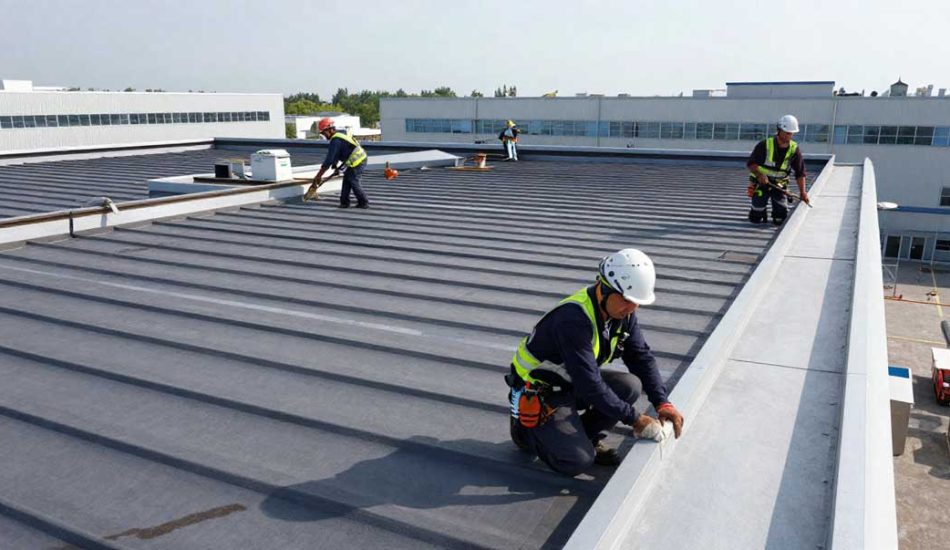
Roof repair decisions carry real consequences for Texas businesses. Harsh storms push commercial roofs to their limits across San Antonio, Houston, and beyond. This means you need solid options based on local needs in 2026, especially as codes and materials change.
When you know how to spot roof damage fast, you protect value and help avoid shutdowns or interior issues that disrupt work. Platinum Roofing’s guide explains key steps specific to commercial property owners statewide: you can review roofing systems, work with qualified contractors, and get more from your budget through smart material choice, which comes first when choosing the right roofing materials for Texas.
Choosing Suitable Roofing Materials
Choosing the right roofing materials means finding a fit for your facility’s climate, budget, and use. In Texas cities such as Houston or Lubbock, metal panels are often chosen since they resist hail and withstand high winds.
Metal roofs last 40-70 years, depending on the type, and steel averages $8–16 per square foot installed, which supports long-term property values despite higher upfront costs. Picture data from Remodeling Magazine: in most U.
S. Markets, the average commercial roof replacement cost is about $9,500, but it can also hit upwards of $46,000 based on material choice and building size. Meanwhile, asphalt products still dominate by volume due to their low cost; three-tab shingles run around $7–11K for an average-sized project with lifespans up to 30 years under ideal conditions, thanks to new manufacturing improvements highlighted in Roofing Contractor magazine’s annual survey results.
Facility managers like you weigh your initial outlay against long-term savings, including durability warranties, before contacting experts like Platinum Roofing for tailored Commercial roof repair in Texas.
Assessing Roof Damage in Texas
Accurately assessing roof damage in Texas keeps your property protected and stops expenses from spiraling out of control. Here are five key points that help evaluate commercial roofs across major cities like Houston, Dallas, and San Antonio:
- Severe Weather Impact: Texas is known for harsh weather, and hailstorms can leave dents, punctures, and hairline cracks on membranes or metal panels. Inspect after storms using guidelines published by the Insurance Information Institute to document hail impact.
- Visible Surface Damage: Look for signs such as cracked roofing materials, missing sections, ponding water areas, blistered surfaces, or built-up debris blocking drains. Address issues quickly since standing water increases the risk of leaks and interior mold.
- Energy Bill Spikes: Unexpected jumps in your utility costs may indicate insulation under the roof has been compromised by slow-developing leaks or UV exposure that has broken down coatings over time.
- Interior Water Stains: Ceilings with dark patches or walls showing dampness signal urgent problems; unchecked moisture can create unsafe work environments, according to Occupational Safety and Health Administration (OSHA) standards.
- Age-Related Wear Indicators: Once a system nears its expected lifespan, often 15–30 years depending on membrane type, it begins losing flexibility, which leads to frequent seam openings and recurring maintenance needs, according to Facility Executive Magazine reports.
Selecting Qualified Roofing Contractors
Selecting qualified roofing contractors is critical to avoid costly mistakes, such as water damage or code violations, in commercial facilities. We recommend working with a team that has proven experience on jobs of similar size and scope, not just homes.
Also, check for manufacturer certifications, such as those from GAF or Carlisle, since these show skill with key systems like TPO, EPDM, PVC, and metal panels, and also protect your warranty rights. Insurance is a must; good roofing companies always carry both general liability and workers’ compensation policies so you’re not left paying for injuries or property damage during repairs.
Always review written estimates in detail because good contractors list every part of the job instead of giving vague bottom-line prices alone. Finally, ask about safety measures, too, and make sure they follow OSHA rules so you stay in compliance throughout the job.
Maintaining a reliable commercial roof means regular checks, fast repairs, and working with trusted pros. At Platinum Roofing, we deliver proven solutions for property managers seeking long-lasting results in Arkansas and key cities across Texas.
Our team handles everything from small fixes to major reroof jobs for facilities of all sizes. When you stay ahead of issues, you lower long-term costs and avoid costly hits to your daily work. For expert help and clear service you can trust in 2026, reach out today, and our team will then work hard to protect your investment with top commercial roofing services.

 Capstone Marketing