
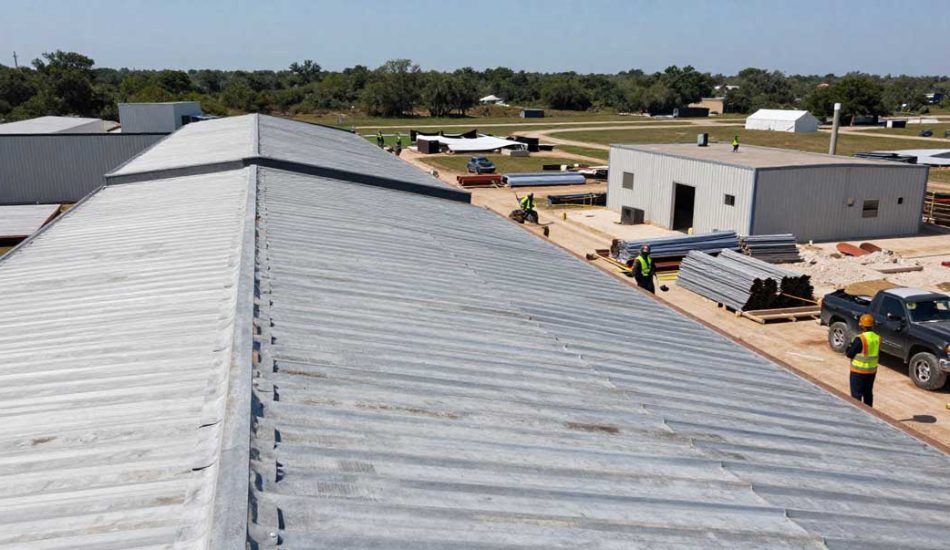
Many older commercial buildings in Texas still contain roofing systems containing asbestos. These materials are often hidden inside insulation layers, flashing compounds, mastics, or built-up roofing systems across cities such as Houston, Austin, El Paso, and surrounding commercial hubs.
When these materials are disturbed during renovation, repair, or replacement work, they can release harmful fibers into the air. This creates serious health and compliance risks for building owners, facility managers, and on-site roofing crews.
Platinum Roofing provides Commercial Roofing Services with a strong focus on safety compliance, controlled removal practices, and structured repair procedures for aging commercial systems across Texas.
Understanding where asbestos may still exist in roofing systems is essential before beginning any Commercial roof repair in Texas, especially in older buildings constructed before modern regulations were enacted.
Asbestos in Texas Commercial Roofs
Many commercial roofs across Texas still contain asbestos, particularly in buildings constructed before 1980. According to public health guidance from the Centers for Disease Control and Prevention (CDC), asbestos was widely used in roofing materials due to its fire resistance and durability.
These materials were commonly found in roofing felts, shingles, adhesives, mastics, and flashing systems. While these components may still appear structurally sound, they can pose a significant risk when disturbed.
- Common Historical Use in Roofing Systems: Asbestos was widely used in commercial roofing due to its durability and resistance to heat and fire.
- Hidden Within Multiple Roofing Layers: In many older systems, asbestos materials are embedded in insulation or roofing membranes, making them difficult to visually identify.
- Professional Identification Required: Only certified professionals using specialized testing methods can confirm the presence of asbestos in roofing materials.
- Regulatory Requirements for Inspection: Federal regulations require proper inspection and testing before disturbing suspected asbestos-containing materials.
- High Risk During Renovation or Repair: Disturbing old roofing systems without proper precautions can release airborne fibers, creating serious health hazards.
Because asbestos is not always visible, proper inspection and testing are essential before beginning any commercial roofing work on older structures.
Health Risks for Roof Repair Workers
Roof repair workers face the highest level of exposure risk when asbestos-containing materials are disturbed during construction or maintenance activities.
Exposure typically occurs during the removal, drilling, cutting, or replacement of aging roofing systems, during which asbestos fibers may become airborne.
- Inhalation of Airborne Fibers: Disturbing old roofing materials can release microscopic asbestos fibers that may be inhaled without immediate detection.
- Long-Term Respiratory Diseases: Medical research has linked asbestos exposure to serious conditions such as lung cancer and mesothelioma, often developing years after initial exposure.
- Degradation of Aging Materials: Older roofing systems naturally break down over time, increasing the likelihood of fiber release during maintenance work.
- Delayed Health Effects: Symptoms related to asbestos exposure may take decades to appear, making early exposure difficult to identify.
- Secondary Exposure Risks: Dust and debris from contaminated roofing materials can spread beyond the immediate work area if not properly controlled.
These risks highlight the importance of strict safety procedures and proper handling protocols on all commercial roofing job sites involving older structures.
Texas Asbestos Safety Regulations
Asbestos safety in Texas is regulated through a combination of federal laws and workplace safety standards enforced by agencies such as OSHA and the Environmental Protection Agency.
These regulations require proper training, certification, and protective measures before workers can legally handle or disturb asbestos-containing materials.
- Mandatory Safety Training: Workers must complete certified training programs before working on suspected asbestos-containing roofing systems.
- Protective Equipment Requirements: Specialized protective gear is required to minimize exposure during removal or repair activities.
- Strict Waste Handling Procedures: Asbestos-containing materials must be contained, transported, and disposed of in accordance with regulatory requirements.
- Workplace Compliance Monitoring: Regulatory agencies conduct inspections to ensure contractors follow proper asbestos handling protocols.
- Whistleblower Protection Programs: Workers who report safety violations are protected under federal labor laws, reinforcing compliance across job sites.
A documented enforcement case in recent years highlighted penalties and reinstatement orders involving improper asbestos handling, demonstrating the seriousness of compliance failures in commercial construction environments.
Why Asbestos Risk Is Critical in Commercial Roof Repair
When planning roof repair projects in Texas, asbestos risk management is one of the most important safety considerations for older commercial buildings.
Even small repair tasks can disturb hidden asbestos materials, making proper assessment essential before any work begins.
- Hidden Material Disturbance: Simple repair activities may unintentionally disturb asbestos-containing layers within roofing systems.
- Increased Risk During Tear-Off Projects: Full roof replacements significantly increase exposure risk if asbestos is present.
- Cross-Contamination Hazards: Improper handling can spread fibers to surrounding building areas or nearby properties.
- Regulatory Non-Compliance Risks: Failure to comply with asbestos-handling laws can result in fines, project shutdowns, or legal liability.
- Worker and Occupant Safety Concerns: Exposure risk extends beyond workers to building occupants if fibers enter ventilation systems.
Proper planning and inspection are essential to ensure compliance and prevent hazardous exposure during commercial roofing projects.
The Importance of Professional Asbestos Inspection
Before beginning any work on older commercial roofing systems, a professional inspection is required to determine whether asbestos-containing materials are present.
Platinum Roofing works with property owners across Texas to ensure that inspections and repairs are handled safely and in compliance with federal and state regulations.
- Material Testing and Identification: Certified professionals collect samples for laboratory testing to confirm the presence of asbestos.
- Risk Assessment Reporting: Inspection reports outline the level of risk and recommend safe handling procedures.
- Controlled Work Planning: If asbestos is present, specialized methods are used to minimize exposure during repair or removal.
- Regulatory Compliance Documentation: Proper documentation ensures compliance with legal requirements and supports project approvals.
- Safe Repair Strategy Development: Inspection results guide the safest and most efficient repair or replacement approach.
This structured process is essential for reducing risk and ensuring safe project execution on older commercial roofs.
Safe Commercial Roofing Practices in Texas
Safe roofing practices are critical when working on older commercial properties across Texas cities such as Houston, Austin, San Antonio, and Lubbock.
Platinum Roofing provides structured commercial roofing solutions designed to meet safety standards while maintaining operational efficiency for property owners and facility managers.
For additional service coverage, you can review commercial roofing solutions here: https://platinumroofllc.com/commercial-roofing/
These services include inspection, repair, and replacement strategies that prioritize compliance, safety, and long-term system performance.
- Pre-Project Risk Evaluation: Identifying potential asbestos risks before work begins.
- Controlled Repair Procedures: Using regulated methods to minimize material disturbance.
- Safety-Compliant Material Handling: Ensuring proper containment and disposal of hazardous materials.
- Ongoing Site Monitoring: Maintaining safety oversight throughout the project.
- Post-Work Verification: Confirming that all hazardous materials have been properly managed and cleared.
Long-Term Risks of Ignoring Asbestos Hazards
Failing to properly address asbestos risks during commercial roofing work can lead to significant long-term consequences.
- Health Liability Exposure: Improper handling increases the risk of long-term health conditions for workers and occupants.
- Regulatory Penalties: Non-compliance with asbestos regulations can result in fines and legal action.
- Project Delays: Discovery of unsafe conditions during construction can halt projects entirely.
- Increased Repair Costs: Unsafe handling may require additional remediation work and specialized cleanup.
- Insurance and Legal Complications: Exposure incidents can impact insurance coverage and increase liability risks.
Platinum Roofing provides experienced, compliance-driven Commercial Roofing Services to safely manage roofing projects involving older materials and potential asbestos exposure. By working with qualified professionals, property owners can ensure safer project execution, regulatory compliance, and long-term asset protection.
For expert support in managing asbestos-related roofing risks, request a Commercial Roofing Quote today at https://platinumroofllc.com/ and ensure your project is handled safely from inspection through completion.


 Capstone Marketing